Your skin barrier is not a separate coating sitting on top of your face. It is the outermost part of the skin itself.
This layer is made of flattened skin cells with natural fats filling the spaces between them. Together, they slow water loss and make it harder for irritating substances to pass through the surface.
The skin barrier is often discussed only in connection with dry or sensitive skin, but it matters just as much when your skin is oily or acne-prone. Its condition can affect how your blemishes look, how your skin feels, and how well you tolerate the products used to care for acne.
What Is the Skin Barrier Made Of?
The outermost layer of the skin contains flattened skin cells surrounded by lipids.
These lipids include ceramides, cholesterol, and fatty acids. They fill the spaces between the cells and help keep the surface intact.
The cells provide structure. The lipids help seal the spaces between them. Water keeps the surface flexible.
When this structure is disturbed, water can escape more easily and substances that normally remain on the surface may cause more irritation.
What Does the Skin Barrier Do?
The barrier has two closely connected jobs.
First, it slows the amount of water that leaves your skin. Your skin naturally loses water throughout the day, but the barrier helps prevent that loss from happening too quickly.
Second, it controls how easily outside substances pass through the surface. It does not block everything, but it limits contact with ingredients and environmental irritants that may bother the skin underneath.
This is why the condition of the barrier can change how familiar products feel. A moisturizer or treatment that once felt comfortable may suddenly sting when the outer layer is no longer protecting the skin as well.
A Weakened Barrier Is Not the Same as Dehydrated Skin
Dehydrated skin lacks water.
A weakened barrier has trouble holding on to water and limiting irritation. Because water escapes more easily through a weakened barrier, dehydration is often one of the results.
The two concerns can look similar. Both may cause tightness, roughness, or flaking. The difference is that barrier problems often come with increased sensitivity. Products may sting, redness may appear more easily, and the skin may react to things it normally tolerates.
Your skin can also be oily and dehydrated at the same time. Oil does not replace water, and visible shine does not tell you how well the outer layer is holding moisture.
Why the Skin Barrier Matters When You Have Acne
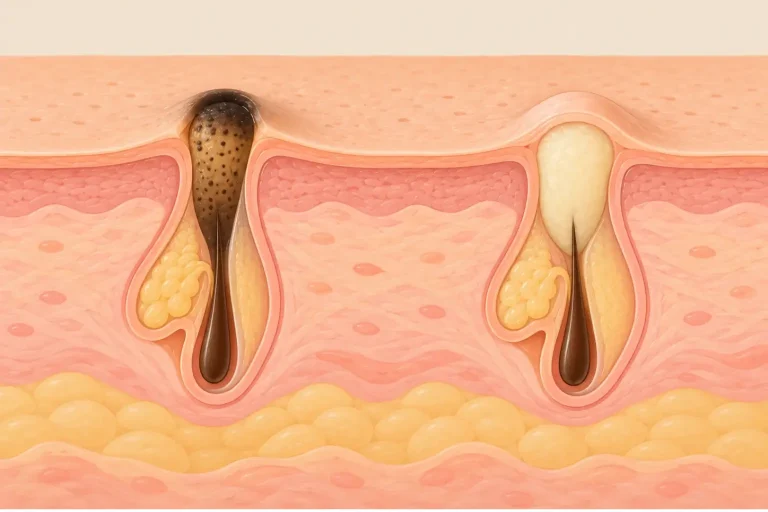
A weakened barrier is not the cause of every breakout. Acne begins inside the follicle and can involve excess oil, dead skin cells, and inflammation.
The barrier still affects what happens around those blemishes.
When the surface is dry or irritated, active pimples may look redder and feel more tender. Small irritation bumps may also appear and be mistaken for clogged pores.
This can lead you in the wrong direction. You see more bumps, assume you need a stronger treatment, and apply more exfoliating or drying products. The added irritation makes it even harder to tell what is acne and what is a reaction to the routine.
The barrier does not replace acne care. It determines how much care your skin can comfortably handle.
How Can You Tell if Your Skin Barrier Is Weakened?
Look for a change from what is normal for your skin.
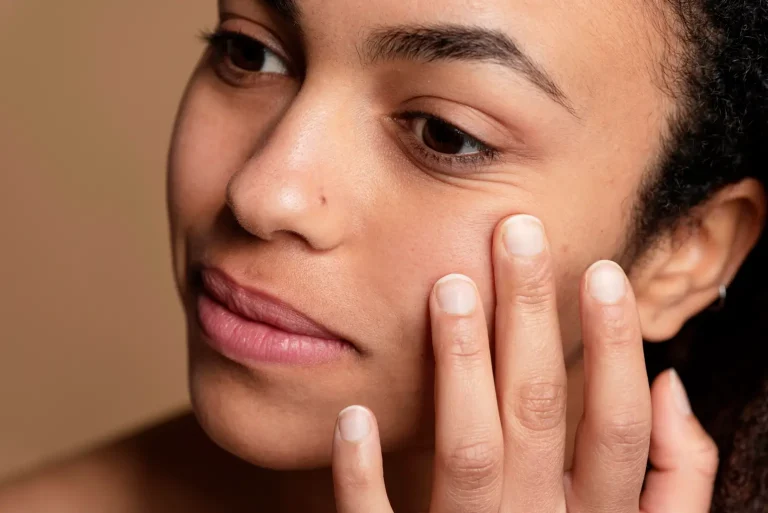
Your face may begin feeling tight after cleansing even though the same cleanser felt fine before. Water or moisturizer may sting. Rough or flaky areas may appear, and your skin may become red or itchy more easily.
The pattern matters more than one isolated symptom.
When several familiar products suddenly feel too strong or your skin remains uncomfortable between routines, the outer layer may need a break from whatever has been disturbing it.
What Can Weaken the Skin Barrier?
The barrier continually renews itself, but repeated irritation can disturb the cells and lipids faster than the skin replaces them.
A cleanser that regularly leaves your face tight can contribute to this. Cleansing ingredients are meant to remove oil and buildup, but an overly strong formula may also remove too much from the skin’s surface.
Foam alone does not tell you whether a cleanser is harsh. The full formula and the way your skin feels after rinsing are more important. You can learn more in Can Foaming Cleansers Cause Breakouts? What to Use Instead.
Frequent exfoliation can also affect the barrier. Acids, enzymes, scrubs, and acne treatments all work differently, but using several together or applying them too often can irritate the outer layer.
Friction adds to the problem. Rough washcloths, cleansing brushes, picking at flakes, and rubbing the skin with a towel can keep an already irritated area from settling.
What Does Barrier Care Actually Require?
Barrier care requires more than applying a thick cream. It means reducing the things that continue to disturb the surface while helping the skin hold water and rebuild its outer layer.
Stop Repeating the Irritation
Pause products that cause continued burning, peeling, or soreness.
This may include exfoliants, scrubs, strong acne treatments, or any product you recently began using more frequently.
You may be able to use these products again once your skin is comfortable. For now, pause anything that keeps the irritation going.
Cleanse Without Leaving Your Face Tight
Use a cleanser that removes sunscreen, makeup, excess oil, and daily buildup without leaving your skin stiff or squeaky.
Wash with lukewarm water and your fingertips. Rinse thoroughly and pat your face dry rather than rubbing it.
The cleanser does not need to contain special barrier ingredients. Its main contribution is cleaning your face without causing more dryness.
Use a Moisturizer That Does More Than One Job
A well-made moisturizer can help the barrier in several ways.
Ingredients such as glycerin, betaine, and panthenol help the outer layer hold water.
Squalane, jojoba oil, and other emollients soften rough areas and improve the way the surface feels.
Ceramides, cholesterol, and fatty acids are similar to lipids naturally found between skin cells. In a properly made formula, they can help replace some of what has been disturbed.
Some formulas also leave a light protective layer that slows water from evaporating.
You do not need every ingredient listed here. Look for a moisturizer that relieves tightness, softens rough areas, and keeps your skin comfortable for more than a few minutes after application.
Bring Stronger Products Back One at a Time
Once cleansing no longer leaves your skin uncomfortable and your usual moisturizer no longer stings, begin reintroducing acne or exfoliating products one at a time.
Do not restart everything on the same day.
Restarting them separately makes it easier to tell which product your skin tolerates and which one brings the irritation back.
Your Skin Rebuilds the Barrier
A moisturizer does not place a replacement barrier over your face.
Your skin rebuilds the outer layer as new cells mature and lipids fill the spaces between them. Your routine helps by reducing repeated irritation, replacing moisture, and slowing unnecessary water loss.
You will know things are improving when your skin begins behaving more like it normally does. Cleansing feels comfortable again, rough areas soften, and familiar products no longer cause an unexpected reaction.
This does not mean every blemish will clear. It means irritation is no longer making your acne harder to understand and care for.
What This Means for Acne-Prone Skin
When the barrier is weakened, acne treatments can make the skin look and feel worse even when the product itself is not the original problem. Once the surface feels comfortable again, it becomes easier to tell what is acne and what was caused by irritation.