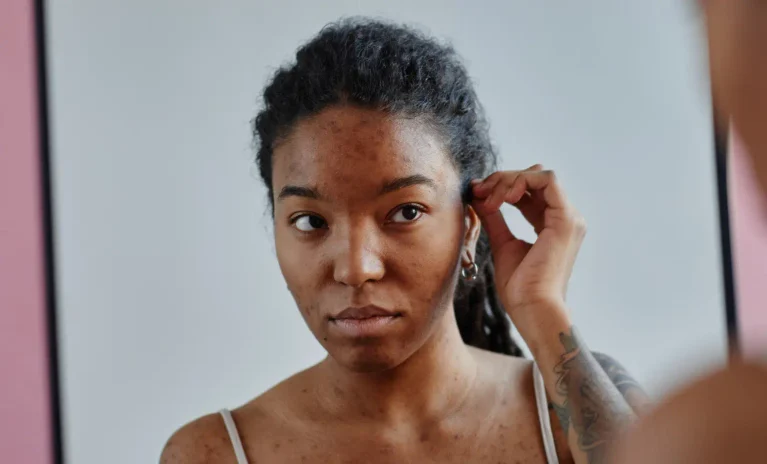
Skin that looks oily but feels tight can be confusing.
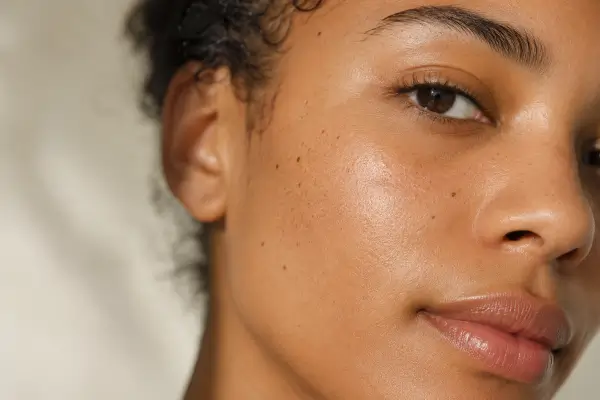
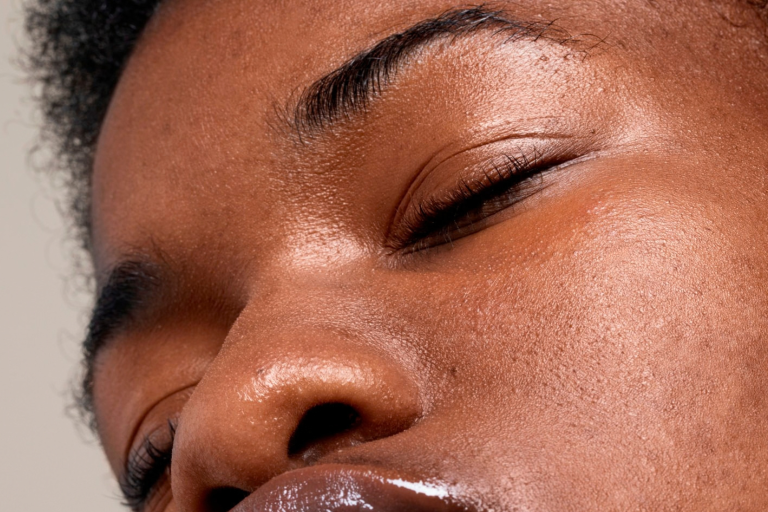
You may see shine across your forehead or nose and assume your skin needs stronger cleansing or less moisturizer. Yet after washing, your face may feel dry, rough, or uncomfortable. Makeup may cling to certain areas, and products that once felt fine may suddenly begin to sting.
These signs can point to dehydration.
Dehydrated skin is not a skin type. It is a condition that develops when the outer layer of the skin is not holding enough water. It can affect dry, oily, combination, and acne-prone skin.
What Does Dehydrated Skin Mean?
The outer layer of your skin helps slow the loss of water from its surface.
When it holds enough water, the skin feels smoother and more flexible. When too much water escapes, the surface may begin to feel tight, rough, or uncomfortable.
You may also notice that fine lines look more visible, makeup no longer sits smoothly, or your skin becomes more sensitive to products you have used before.
Dry Skin and Dehydrated Skin Are Not the Same
Dry skin produces less natural oil.
Someone with a dry skin type may experience flaking, roughness, and very little shine throughout the year. Their skin may also need richer creams and more oil-based ingredients to stay comfortable.
Dehydrated skin lacks water.
That means oily skin can still be dehydrated. Your face may continue producing oil while the surface feels tight and uncomfortable.
This is why you can have a shiny forehead, clogged pores, and dry patches at the same time.
Oiliness does not prove that your skin has enough water. Tightness does not always mean your natural skin type is dry.
Signs Your Skin May Be Dehydrated
Dehydrated skin can look different from one person to another, but several signs often appear together:
- Tightness after cleansing
- Rough or papery texture
- Flaking around the nose, mouth, or eyebrows
- Fine lines that suddenly look more noticeable
- Makeup separating or clinging to dry areas
- Skin that looks oily but feels uncomfortable
- Stinging when you apply skincare products
- A surface that looks dull or uneven
One sign by itself does not always mean your skin is dehydrated.
Flaking may come from an exfoliating product. Stinging may be caused by irritation. Oiliness may simply be part of your skin type.
Look at the full pattern and think about what has recently changed in your routine.
What Causes Dehydrated Skin?
Dehydration often develops when the skin is losing water faster than it can hold on to it. Harsh cleansing and frequent exfoliation can weaken the skin barrier, allowing water to leave the skin more easily.
Does Dehydrated Skin Cause Acne?
Dehydration does not cause acne by itself.
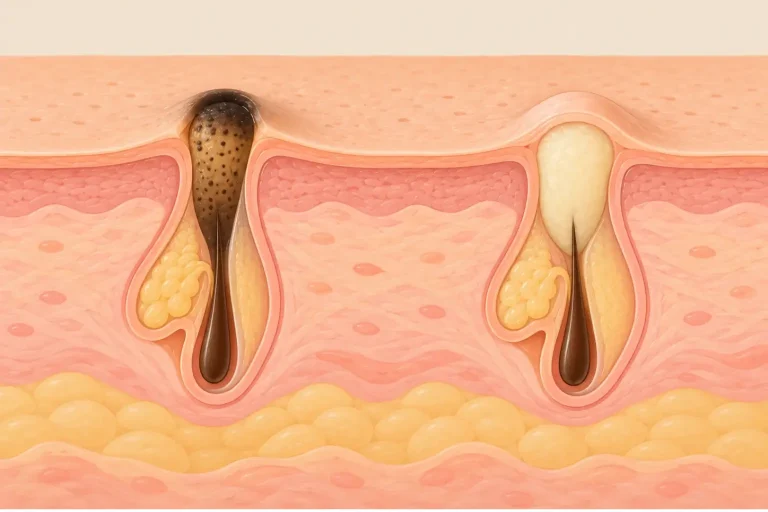
Acne forms when oil and shed skin cells collect inside a hair follicle. Hormones, inflammation, genetics, product use, and oil production can all play a part.
Dehydrated skin can still make acne more difficult to care for. Treatments may sting, flaking can make texture look worse, and exfoliating more often may add further irritation.
Hydration will not clear acne by itself, but it can make the skin more comfortable while you address the breakouts.
How to Care for Dehydrated Skin
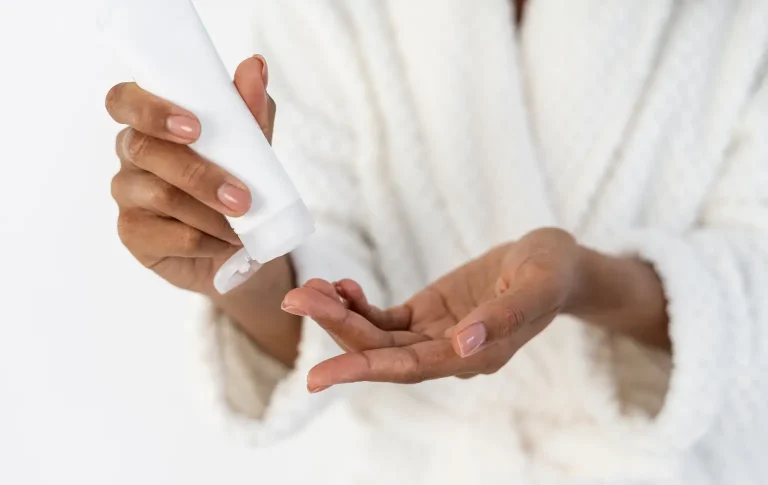
Look for ingredients such as glycerin, betaine, panthenol, and hyaluronic acid. These ingredients help the skin hold on to water and can reduce the tight feeling that often comes with dehydration.
Apply your hydrating product before your moisturizer or facial oil. Your moisturizer can then help slow water loss from the skin’s surface.
Applying moisturizer while your skin is still slightly damp may also help it hold on to more water.
Will Drinking More Water Fix Dehydrated Skin?
Drinking extra water will not correct dehydration caused by what is happening at the skin’s surface.
If you already drink enough throughout the day, your routine may need more attention than your water intake.
Water-binding ingredients and a moisturizer that slows water loss are more likely to help than simply drinking several extra glasses of water.
How Will You Know Your Skin Is Improving?
You may begin to notice that:
- Your face no longer feels tight after cleansing
- Moisturizer applies without stinging
- Flaking begins to decrease
- Makeup sits more evenly
- Your skin feels more comfortable during the day
Your skin may still produce oil, and you may still experience breakouts.
Hydration is not meant to stop oil production or clear every blemish. It addresses the lack of water that is making your skin feel tight, rough, or uncomfortable.
What to Remember About Dehydrated Skin
Dehydrated skin can still look oily because oil production and water levels are not the same thing.
Knowing the difference can keep you from treating oily, dehydrated skin as though it only needs stronger cleansing.