The amount of oil your skin produces is only part of the story.
Sebum is made up of several types of fats, and their proportions can affect what happens inside a pore. One of those fats is linoleic acid.
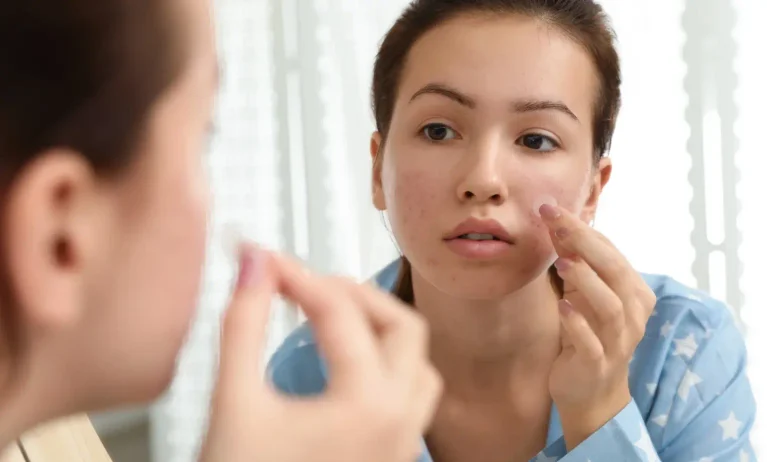
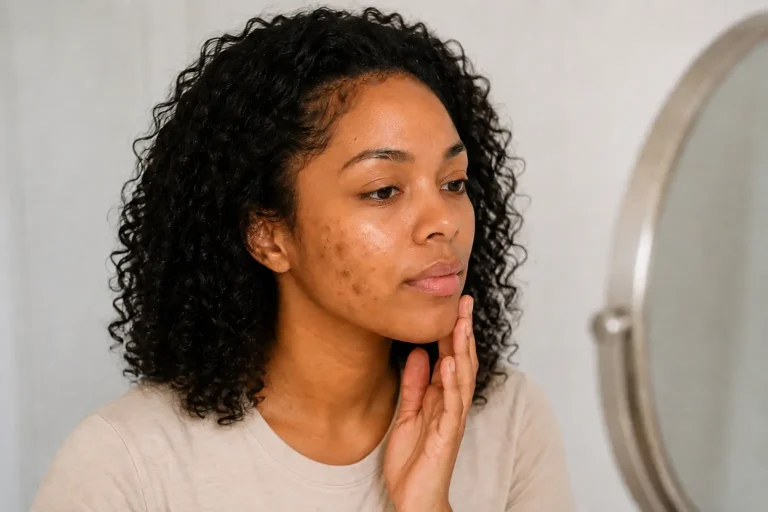
In acne-prone skin, the oil around clogged follicles often contains a lower proportion of linoleic acid. This may affect how skin cells shed inside the pore, making it easier for oil and dead cells to collect.
Linoleic acid does not explain every breakout, but it helps explain why oily skin is not only about producing too much oil.
What Is Linoleic Acid?
Linoleic acid is an essential omega-6 fatty acid.
Essential means your body cannot make it on its own. You get it through foods such as nuts, seeds, eggs, and plant oils.
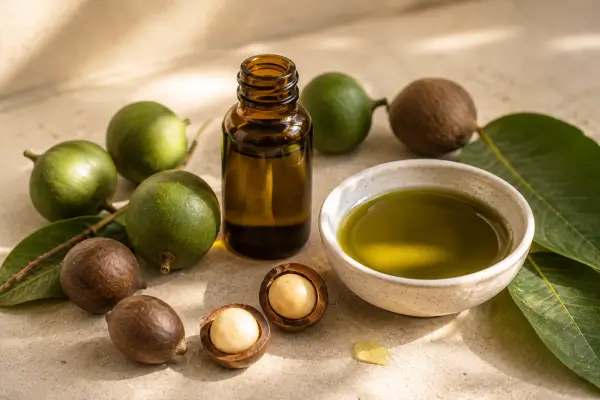
Linoleic acid is also found in many oils used in skincare, including grapeseed oil, hemp seed oil, sunflower oil, and rosehip oil.
In the skin, linoleic acid is part of the natural fats that help slow water loss. It is also found in sebum, the oil made by your oil glands.
Sebum softens the skin and helps protect it from dryness. Problems begin when it mixes with shed skin cells and becomes trapped inside a pore.
Why Linoleic Acid Matters to Acne-Prone Skin
Skin cells are shed inside the hair follicle every day.
Normally, those cells loosen and move out of the pore along with sebum. In acne-prone skin, they can stick together and begin forming a plug.
The amount of oil being produced matters, but the makeup of that oil matters too.
A lower proportion of linoleic acid may affect the lining of the follicle and the way skin cells separate. When those cells do not move out easily, they can collect with oil and form blackheads or whiteheads.
This does not mean every woman with acne has low linoleic acid throughout her body. It refers to what is happening locally in the skin’s oil and around clogged follicles.
Hormones, inflammation, genetics, and oil production still matter. Linoleic acid is only one part of how a clogged pore develops.
Does Low Linoleic Acid Make Sebum Thick and Sticky?
You may have read that acne-prone skin produces thick, sticky sebum because it does not contain enough linoleic acid.
That explanation leaves out too much.
The texture and behavior of sebum depend on more than one fatty acid. A change in its makeup may affect conditions inside the follicle, especially when skin cells are already collecting there.
Low linoleic acid does not turn every drop of sebum into a thick plug. It is one of several changes that can make acne-prone follicles more likely to become clogged.
Can Linoleic-Rich Oils Help Acne-Prone Skin?
Plant oils with more linoleic acid can work well in products made for oily and acne-prone skin.
Many of them feel lighter than oils with a higher proportion of oleic acid. Grapeseed and hemp seed oils, for example, spread easily and can soften the skin without leaving the same rich feeling as heavier oils.
They do not change the oil produced by your glands.
Applying grapeseed or hemp seed oil will not rewrite the makeup of your natural sebum or remove a plug that has already formed inside a pore. These oils also contain other fatty acids and plant compounds, not linoleic acid alone.
How an oil feels depends on how much is used, what it is combined with, and the type of product it is added to.
Why Fatty Acid Charts Do Not Tell the Whole Story
Online charts often label oils high in linoleic acid as good for acne and oils high in oleic acid as heavy or pore clogging.
Plant oils are not that predictable.
Most contain both linoleic and oleic acid in different amounts. Those amounts can change based on the plant variety, growing conditions, processing method, and individual batch.
Oleic acid is not automatically bad for acne-prone skin. It gives many oils a richer feel and can be useful when the skin is dry.
A high linoleic acid content also does not guarantee that an oil will work well for everyone.
The amount used matters too. An oil included at a small percentage in a cleanser or cream will behave differently from several drops applied directly to the face.
The complete formula tells you more than one number on a fatty acid chart.
Freshness Matters With Linoleic-Rich Oils
Many oils high in linoleic acid lose freshness more quickly than oils containing more oleic acid or saturated fats.
Heat, light, and air speed up oxidation.
An oil that has begun to oxidize may develop a stale, sharp, bitter, or crayon-like smell. Its color or texture may also change.
Store delicate oils away from heat and direct sunlight, and keep the container tightly closed. Stop using the oil if its scent changes noticeably.
Vitamin E and other antioxidants can slow oxidation, but they cannot keep an oil fresh forever.
A high linoleic acid content does not matter if the oil has gone bad.
How I Use Linoleic-Rich Oils in Skincare Formulas
I choose oils based on how they behave in the product I am making.
Grapeseed oil gives a formula a lighter feel and contains a high amount of linoleic acid. Hemp seed oil also feels light, but it is more delicate and needs careful storage.
I do not rely on either one alone. I combine them with ingredients chosen for texture, spread, and stability.
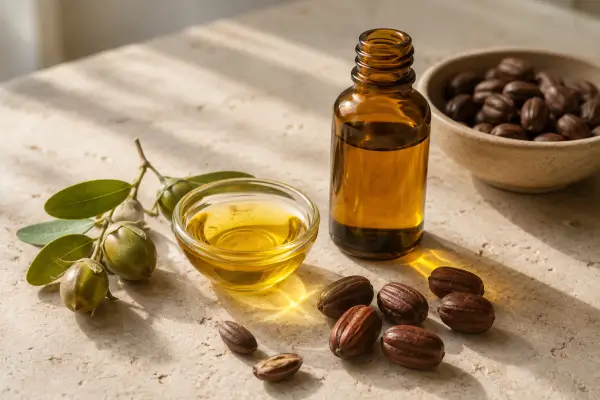
Jojoba has a different composition from ordinary plant oils and stays fresh longer. Squalane is lightweight and resistant to oxidation. Pairing them with more delicate oils helps me create a product that spreads easily without feeling overly greasy.
That tells me more than placing every oil into a good or bad category.
What This Means for Oily, Acne-Prone Skin
Lower amounts of linoleic acid around acne-prone follicles may make clogged pores more likely, but they are not the only reason acne develops.
That is why I use linoleic-rich oils as part of a formula rather than expecting them to change the skin’s natural sebum or clear acne on their own.
Choose an oil for what it adds to the formula, not because you expect one fatty acid to correct every cause of acne.
To compare the oils I use and why I choose each one, read 5 Plant Oils for Acne-Prone Skin and How I Use Them.