When people talk about sugar, they usually think about candy, cookies, cake, and soft drinks.
Those are obvious sources, but sugar is not only found in foods that taste sweet.
Your body also turns the starch in white pasta, white bread, white rice, crackers, bagels, and many breakfast cereals into sugar as it digests them. Fruit contains natural sugar too, and some fruits contain quite a bit more than others.
That does not make all of these foods the same. An apple is not the same as a soft drink, and a plate of pasta is not the same as a candy bar.
It does mean that you have to look at more than dessert when you are trying to understand whether sugar may be affecting your skin.
One cookie is not the issue. What you eat most days matters much more.
Begin With Added Sugar
A helpful limit for women is no more than 25 grams of added sugar a day. That is about six teaspoons.
Added sugar is the sugar put into food or drinks while they are being made. It includes white sugar, brown sugar, cane sugar, honey, maple syrup, agave, syrups, and other sweeteners.
Honey and maple syrup may come from natural sources, but they still count.
I use both, but I pay attention to how much I use. A little honey in tea, maple syrup in oatmeal, and another drizzle added to yogurt can add up quickly.
Four grams of added sugar is about one teaspoon.
A bottled drink with 20 grams of added sugar contains around five teaspoons. That one drink can take up almost the entire daily amount before you count anything else you have eaten.
Look for Added Sugars on the nutrition label. Do not rely on the front of the package. Words such as natural, organic, whole grain, or made with real fruit do not tell you how much sugar has been added.
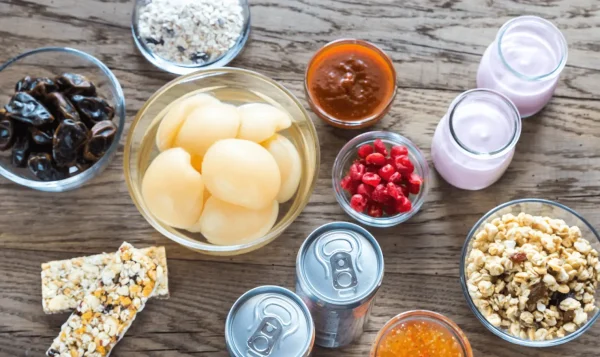
Flavored yogurt, granola, cereal, coffee creamer, instant oatmeal, protein bars, bottled smoothies, sauces, and salad dressings can contain much more than you expect.
You may not eat dessert very often and still have added sugar showing up throughout your entire day.
White Pasta and Other Refined Foods Count Too
Added sugar is only one part of the conversation.
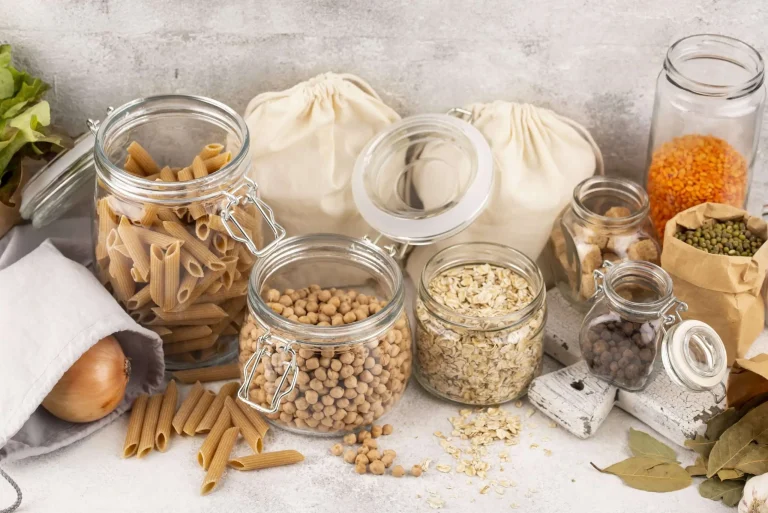
White pasta does not taste sweet, but your body still turns the starch into sugar. The same is true for white bread, white rice, crackers, pretzels, flour tortillas, and many boxed cereals.
These foods are not candy. I would not tell you that eating a bowl of pasta is the same as eating a bowl of sugar.
But I also would not ignore them simply because they are savory.
A woman may say she does not eat much sugar because she rarely eats sweets. Her breakfast may still be sweetened coffee and cereal. Lunch may be a large bowl of white pasta with bread. Her afternoon snack may be crackers, and dinner may include white rice and a bottled sauce.
She may not have eaten a cookie all day, but most of her meals were still built around foods that quickly become sugar once they are digested.
That is why looking only at dessert can leave out an important part of the picture.
I still eat pasta, rice, and bread. I simply pay attention to the amount and what else I am eating with them.
A plate with pasta, vegetables, and salmon is very different from a large bowl of pasta with garlic bread and a sweet drink.
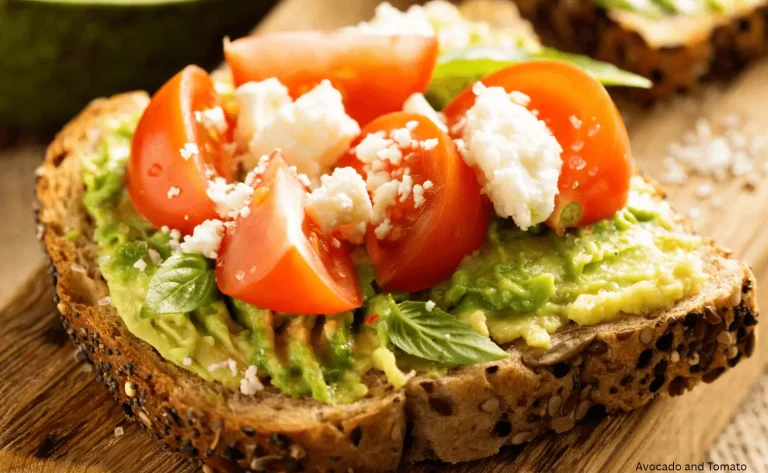
When I eat rice, I may add beans, eggs, vegetables, chicken, or fish. When I eat bread, I usually pair it with avocado, eggs, nut butter, tuna, or another food that makes the meal more filling.
The pasta, rice, or bread does not have to disappear. It just does not need to take up most of the meal every time you eat it.
Fruit Needs an Honest Conversation
I am not going to tell you to stop eating fruit.
Whole fruit gives you fiber, water, vitamins, minerals, and many things your body can use. An orange, apple, or bowl of berries is not the same as candy or a sweetened drink.
But I am also not going to say that the amount never matters simply because the sugar came from fruit.
Some fruits are naturally sweeter than others. Grapes, mangoes, ripe bananas, cherries, pineapple, and dried fruit can give you quite a bit of sugar when the portion is large.
You can still enjoy them. Just pay attention to how much you are eating at one time.
A handful of grapes is different from sitting down with a large bowl and eating through the entire thing without noticing.
One banana is different from putting two bananas, mango, pineapple, dates, fruit juice, and sweetened milk into one smoothie.
Everything in that smoothie may be natural, but it can still contain a large amount of sugar.
This is one reason I prefer eating whole fruit more often than drinking it. It takes longer to eat an apple, orange, or bowl of berries than it does to drink several servings of fruit from a glass.
Fruit juice is especially easy to overdo. You can drink the juice from several pieces of fruit in a few minutes without getting the same amount of fiber or feeling very full afterward.
Dried fruit is another food I would watch. Once the water has been removed, a small handful can represent far more fruit than it appears to.
I enjoy fruit, but I do not treat the word natural as permission to stop paying attention.
Look at the Whole Meal
The amount of sugar or starch in a food is not the only thing that matters. What you eat with it matters too.
A banana with peanut butter is different from a banana blended with several other fruits, juice, honey, and sweetened yogurt.
A baked potato served with vegetables and salmon is different from a large plate of fries with a sweet drink.
Oatmeal with berries and walnuts is different from sweetened instant oatmeal topped with syrup and dried fruit.
You do not have to calculate every bite of food. Look at how the meal is put together.
Does most of the plate come from white pasta, bread, rice, or potatoes?
Is there anything else in the meal besides starch?
Are you drinking sugar with it?
Did you already have something sweet earlier in the day?
These questions tell you more than asking whether one food is good or bad.
Breakfast Can Start the Day With a Lot of Sugar
Breakfast is one of the easiest meals to overlook.
Sweetened coffee, flavored oatmeal, cereal, yogurt, juice, and a breakfast bar can put a large amount of sugar into your morning before you have eaten lunch.
Even when the portions are small, several sweet foods eaten together can add up.
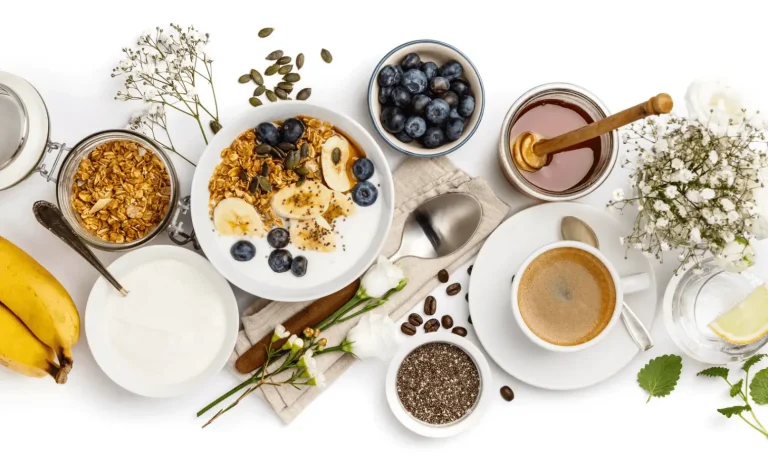
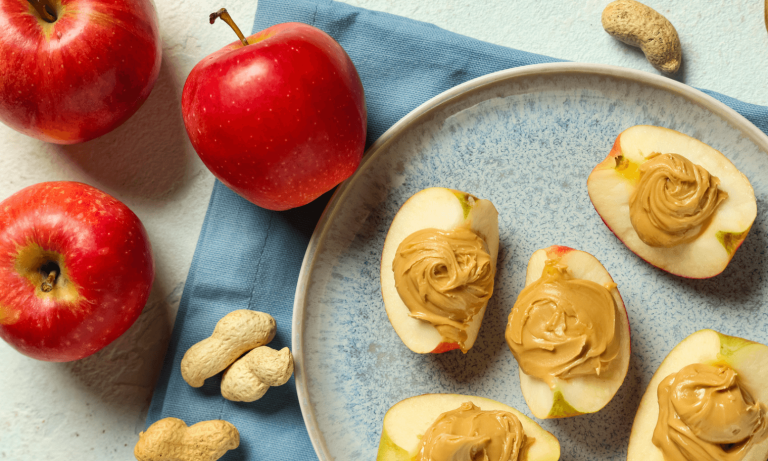
I prefer breakfasts such as eggs with avocado, oatmeal with fruit and nuts, toast with peanut butter, or plain yogurt with berries.
I still enjoy something sweet in the morning sometimes. I simply like deciding how much sweetness goes into my food instead of having it added for me.
Plain oatmeal with banana and cinnamon may taste sweet enough without brown sugar or syrup.
Plain yogurt with berries may not need honey every time.
Coffee may still taste good with less creamer than you normally use.
You may be surprised by how little sugar you actually need once your taste begins to adjust.
You Can Still Have Dessert
I do not believe you have to remove every sweet food from your life.
Sometimes I want fruit with dark chocolate. Other times I want a real piece of cake.
I would rather choose something sweet that I truly want and enjoy it than eat small amounts of sugar from morning until night without realizing it.
There is a difference between eating dessert at a celebration and having sugar in your coffee, breakfast, drinks, snacks, sauces, and dessert nearly every day.
An occasional treat is not where I would begin.
I would begin with the sugar and refined foods that have become so familiar that you barely notice them anymore.
What I Would Change First
Start with what you eat or drink most often.
Look at your coffee creamer, yogurt, cereal, bottled drinks, snack bars, sauces, white bread, pasta portions, and smoothies.
You may decide to use less sweetener in your coffee, choose plain yogurt, switch to unsweetened tea, make a smaller bowl of pasta, or stop adding juice and several fruits to the same smoothie.
You may decide to eat grapes from a small bowl instead of taking the entire bag with you.
You may replace part of the white pasta or rice with vegetables, beans, eggs, chicken, or fish.
You do not have to make every change on the same day.
Choose the one that would remove the most sugar from the way you normally eat. Once that feels natural, look at the next thing.
Give Your Skin Time
Your skin may not look different after three or four days.
Keep your skincare routine steady while you make changes to the foods you eat most often. Give yourself several weeks before deciding that the change made no difference.
Pay attention to whether your skin feels as oily, whether breakouts appear as often, and whether they seem easier to manage.
You may also notice that your cravings change once your meals are not built around sweet drinks and refined foods throughout the day.
Changing your cleanser, moisturizer, supplements, and diet all at once will only leave you wondering what actually helped.
Make a few honest changes and give your body time to show you something.
Sugar Is About More Than Sweets
When I talk about reducing sugar, I am not only talking about throwing away cookies and never eating dessert again.
I am talking about added sugar in everyday foods, sweetened drinks, oversized portions of white pasta and other refined foods, large fruit smoothies, fruit juice, dried fruit, and the choices you repeat every day.
Fruit, pasta, bread, rice, and dessert do not have to disappear from your life.
The amount matters. How often you eat them matters. What you eat with them matters.
Caring for the body God gave you does not mean being afraid of food. It means paying attention and being honest when something has become too much.
One cookie is not the issue.
Look at what you eat most days. That is where I would begin.
When I want something sweet without a lot of added sugar, these are some of the snacks I make most often: Healthy Snack Ideas When You Want Something Sweet.