Skincare products only address what is happening on the surface. Digestion, food quality, hormones, stress, and nutrient intake can also affect acne-prone skin.
Your digestive system breaks down food, absorbs nutrients, removes waste, and works closely with the immune system. It is also home to the gut microbiome, a large community of microorganisms living mainly in the intestines.
Poor digestion is not the cause of every breakout. Acne can also be influenced by hormones, genetics, oil production, inflammation, clogged pores, and the products you use. But frequent digestive problems and a diet low in fiber and nutrients should not be ignored while focusing only on the skin.
What the Gut Microbiome Does
The microorganisms in your gut help break down parts of food your body cannot digest on its own.
As they break down certain types of fiber, they produce compounds that interact with the intestinal lining and immune system. The foods you eat influence which microorganisms are fed and what they produce.
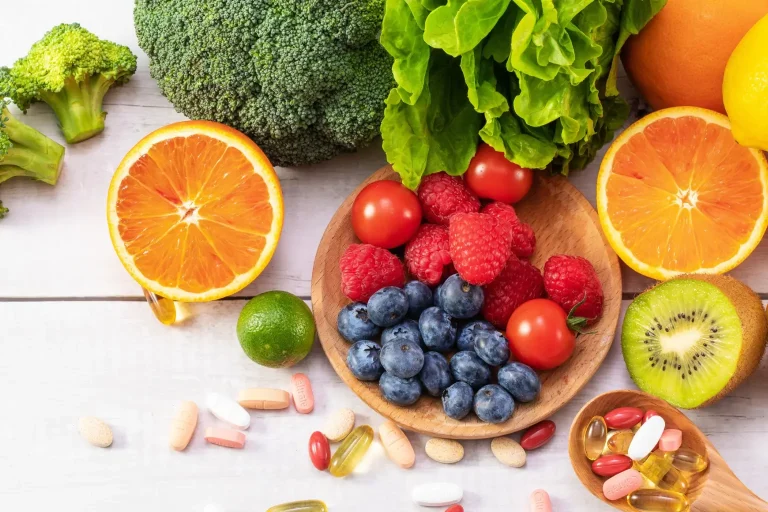
Vegetables, fruit, beans, lentils, whole grains, nuts, and seeds provide fiber and plant compounds that are limited in sugary drinks, refined snacks, and heavily processed meals.
The quality of your usual meals matters more than one unusually healthy or unhealthy day.
How Gut Health Can Affect the Skin
The digestive system and skin are connected through the immune system, hormones, and compounds produced during digestion.
Frequent constipation, loose stools, bloating, or discomfort are signs that your digestion needs attention. They do not prove that the gut is causing your acne, but they should not be ignored.
Improving your meals will not remove a clogged pore that has already formed. The value comes from giving your body the nutrients and fiber it regularly needs instead of relying on skincare products to do all the work.
Begin With Fiber
Fiber feeds many of the microorganisms living in the gut and helps move waste through the digestive system.
Useful sources include:
- Beans and lentils
- Oats and barley
- Apples, pears, and berries
- Broccoli, cabbage, carrots, and leafy greens
- Sweet potatoes
- Brown rice
- Chia seeds and ground flaxseed
- Nuts and seeds
Look at the meals you already eat and add what is missing.
Eggs and toast can be served with fruit. Rice can be paired with beans and vegetables. Lentils can be added to soup. Ground flaxseed can be stirred into oatmeal.
Canned beans, frozen vegetables, and plain oatmeal also count. Healthy eating does not require making every ingredient from scratch.
Increase fiber gradually if you currently eat very little. Adding a large amount at once can cause gas, bloating, or pressure. Water intake also matters because fiber absorbs fluid as it moves through the digestive tract.
Eat More Than the Same Few Plant Foods
Eating fiber is important, but variety matters too.
Different plant foods contain different fibers and plant compounds. Rotating the foods you already enjoy gives the gut a wider range to work with.
Choose black beans one week and lentils the next. Alternate oats, brown rice, barley, and sweet potatoes. Change the fruit and vegetables you buy instead of choosing the same ones every week.
You do not have to search for unusual foods or prepare elaborate recipes. A wider range of familiar foods is enough.
Fermented Foods Can Be Useful
Some fermented foods contain live microorganisms that can add more variety to the gut.
Examples include:
- Plain yogurt with live cultures
- Kefir
- Sauerkraut
- Kimchi
- Fermented pickles
- Miso
- Tempeh
Not every product labeled fermented still contains live cultures. Some are heated after fermentation, while many pickles are made with vinegar instead.
Check the label for phrases such as live cultures, active cultures, or naturally fermented.
Choose one that fits naturally into your meals. Buying several fermented foods at once will not help if you do not enjoy eating them.
Pay Attention to What Packaged Foods Are Replacing
Packaged food is not automatically low quality.
Frozen vegetables, canned beans, plain oatmeal, whole-grain bread, and canned fish can make it easier to prepare a useful meal when time is limited.
The problem begins when sugary cereals, chips, snack cakes, sweetened drinks, fast food, and heavily processed frozen meals replace most of the foods that provide fiber and nutrients.
One convenience meal is not the concern. Look at what you eat most often and what may be missing from those meals.
Notice Digestive Problems That Keep Returning
Your digestion can give you useful information without an expensive test.
Pay attention to problems such as:
- Frequent constipation
- Loose stools that keep returning
- Bloating after the same types of meals
- Foods that consistently cause discomfort
- Major changes in appetite
- Digestive changes during stressful periods
One uncomfortable day is not enough reason to remove several foods from your diet.
When the same problem keeps happening, write down what you ate and what happened afterward. This can help you see whether a particular food, supplement, or change in your routine appears more than once.
Stress Can Change Digestion
Stress can affect appetite, bowel habits, and how quickly food moves through the digestive tract.
Some women lose their appetite when life becomes difficult. Others skip meals, eat more sweets, become constipated, or experience loose stools.
During stressful periods, regular meals can easily fall apart. Keeping a few simple options available can prevent you from going most of the day without eating and then relying on whatever is quickest at night.
A useful meal does not have to be elaborate. Protein, vegetables, and a fiber-rich carbohydrate are enough.
Gut Supplements Should Have a Clear Reason
Probiotic powders, digestive enzymes, cleansing teas, and gut supplements are heavily marketed.
A supplement can be useful when it addresses a specific need, but it cannot replace a diet that contains very little fiber or variety.
A probiotic will not make up for meals built mostly around refined snacks and convenience foods. Digestive enzymes are also not necessary simply because a product promises better digestion.
Before buying something new, look at what is already happening.
Are you eating enough fiber? Are your meals varied? Are you drinking enough water? Are bowel movements regular? Did the problem begin after starting a new food, medication, or supplement?
Those questions can tell you more than adding several gut products at once.
Where to Begin
Begin with the most obvious problem. If your meals contain very little fiber, start there. If digestive problems began after a new food, medication, or supplement, review that change before buying another gut product.
Add beans or lentils to a meal you already make. Include another vegetable at dinner. Replace one low-fiber snack with fruit and nuts. Try one fermented food with live cultures. Drink more water as you increase fiber.